 Education
06/07/2026
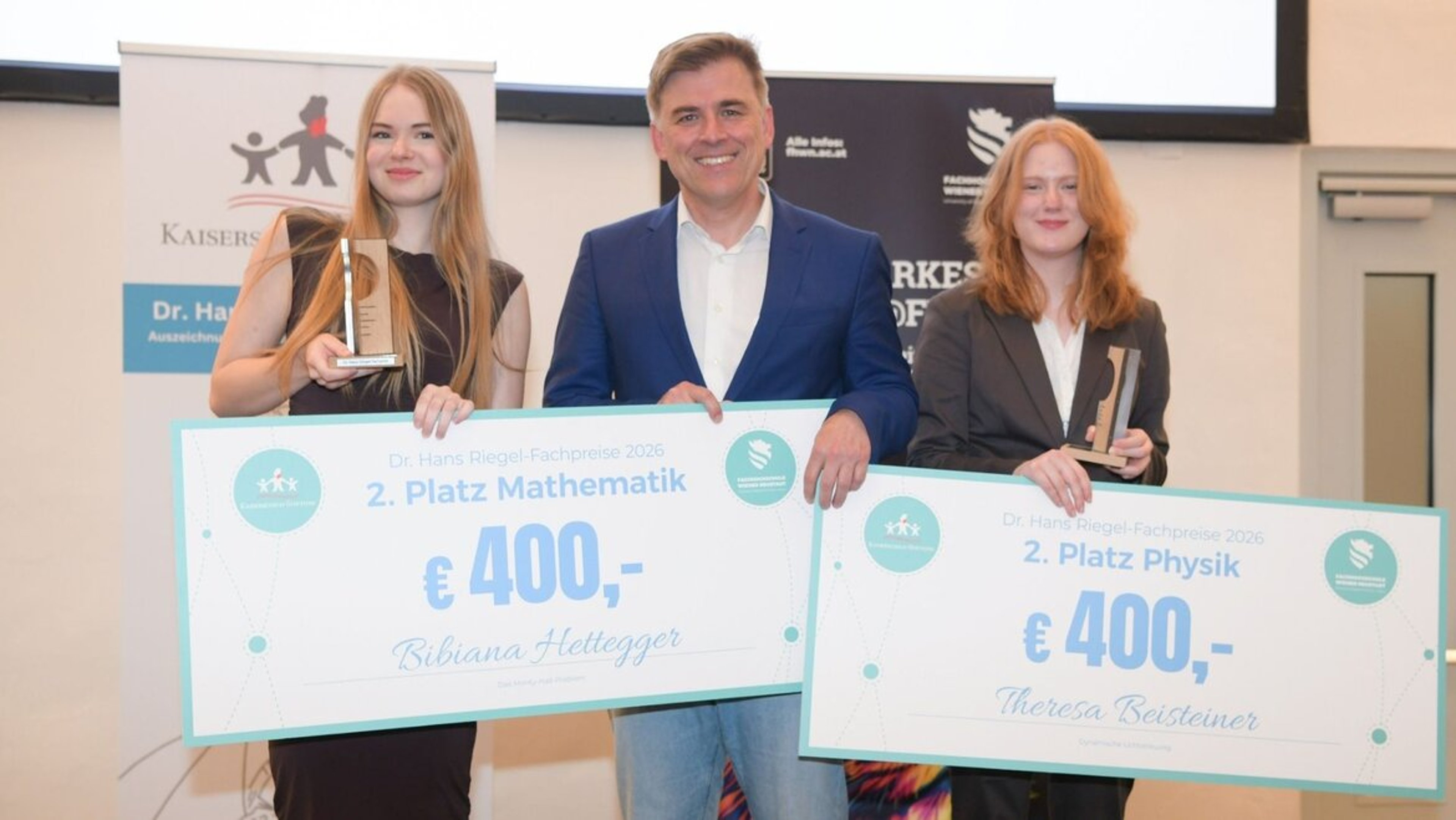
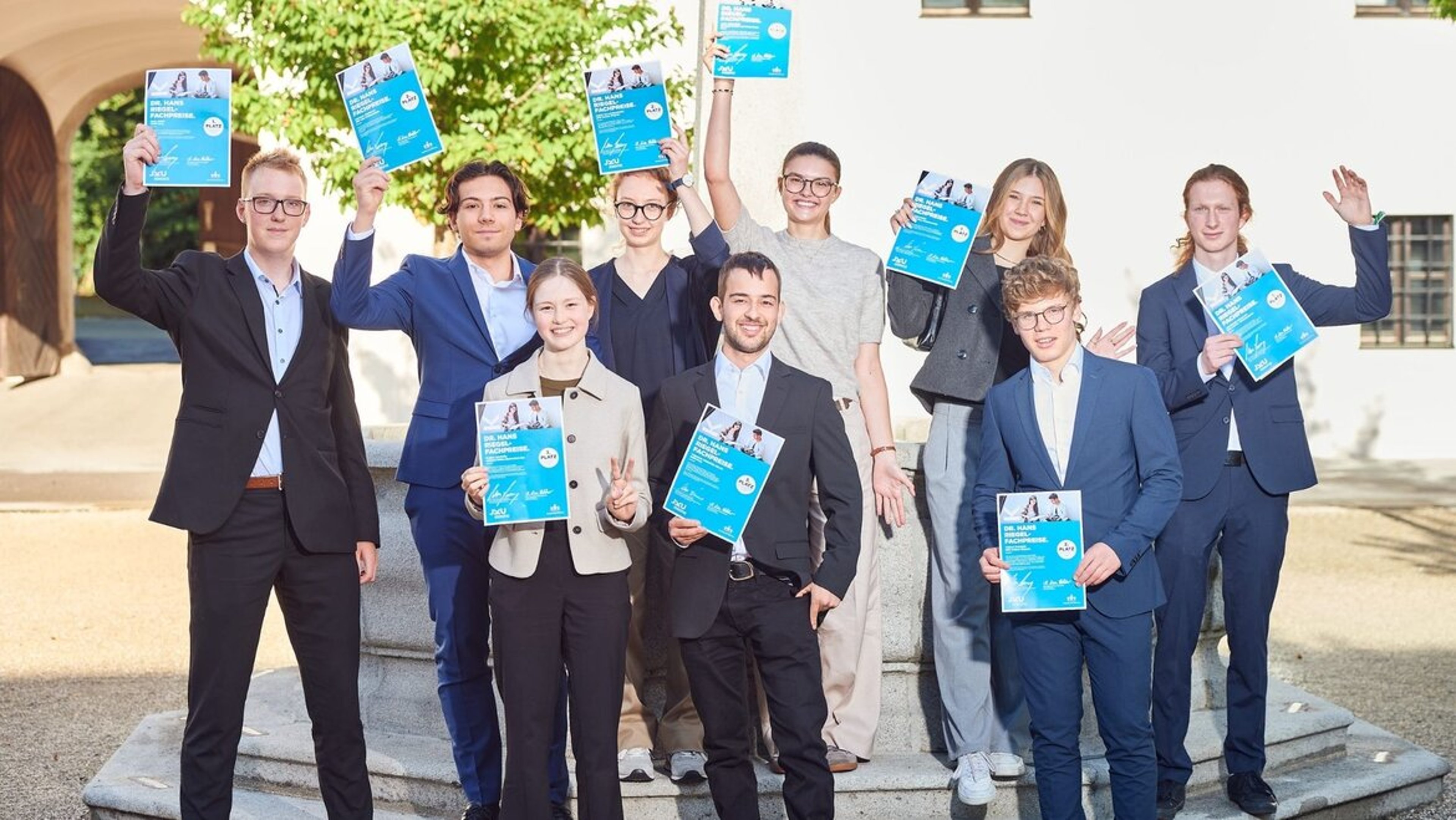
On 16 June, the Dr Hans Riegel-Award ceremony was held to honour outstanding final-year projects.
Image: © Tschank

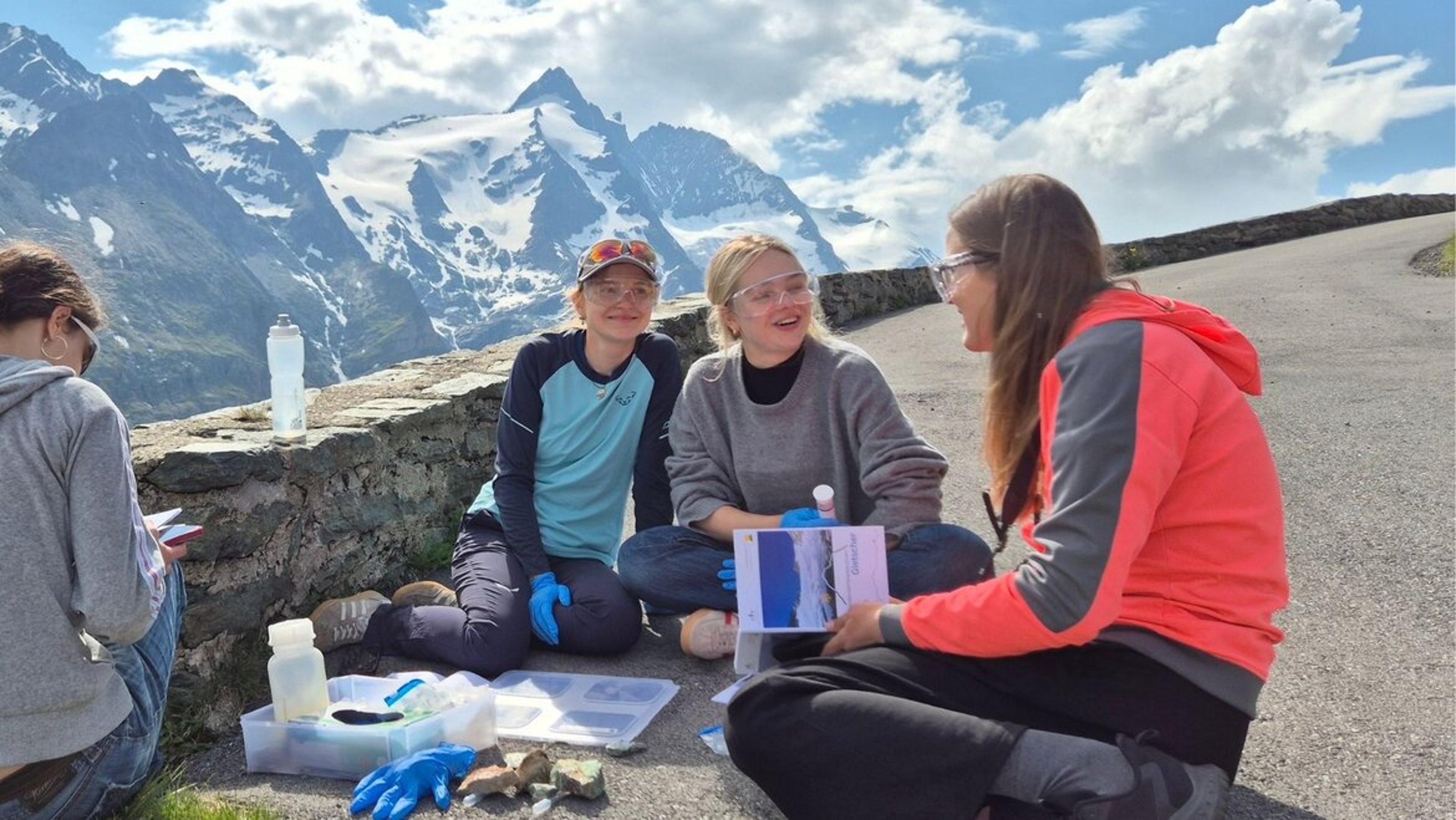
The participants spent the first day on the campus of the Carinthia University of Applied Sciences in Villach, attending three keynote presentations on the topics ‘Special features of the ecology of high-mountain ecosystems’, ‘The Nunataker: A Special Habitat – A Peak Rising from the Ice’ and ‘Experiences with e-DNA Studies in Glacial Environments: New Methods in Biodiversity Monitoring’.
This was followed by the centrepiece of the seminar: two hikes led by national park rangers. On Friday, the glacier hike took the group along the Gamsgrube nature trail, with views of the Pasterze, and on across snowfields. On Saturday, the focus was on Alpine biodiversity – specifically the flora and fauna and the signs of climate change: Participants were able to examine prehistoric pieces of peat and wood, as well as redcurrant bushes, for which the melting of the glacier is opening up new habitats, whilst ibex are being driven out by rising temperatures. Among the highlights were discovering the poisonous monkshood and experiencing the moorland landscape.
The workshop ‘On the Edge of the Ice – Knowing What Melts’ and the ‘Fire & Ice’ demonstration experiments, led by Philipp Spitzer from the University of Graz, also delighted the MINT TANK members. Through these, the participants learnt in an interactive and impressive way about fluorescent phenomena in nature, chemical reactions and science communication.
On the final day, the programme took the seminar participants to the National Park’s information centre, where they were able to visit exhibitions such as ‘Glaciers.Life’ and ‘Mountain – Women on the Rise’, as well as the Glockner Cinema.
MINT TANK is a support programme in which winners of the Dr Hans Riegel-Award can take part free of charge. More information here.
EducationOn 16 June, the Dr Hans Riegel-Award ceremony was held to honour outstanding final-year projects.
Image: © Tschank
 Education
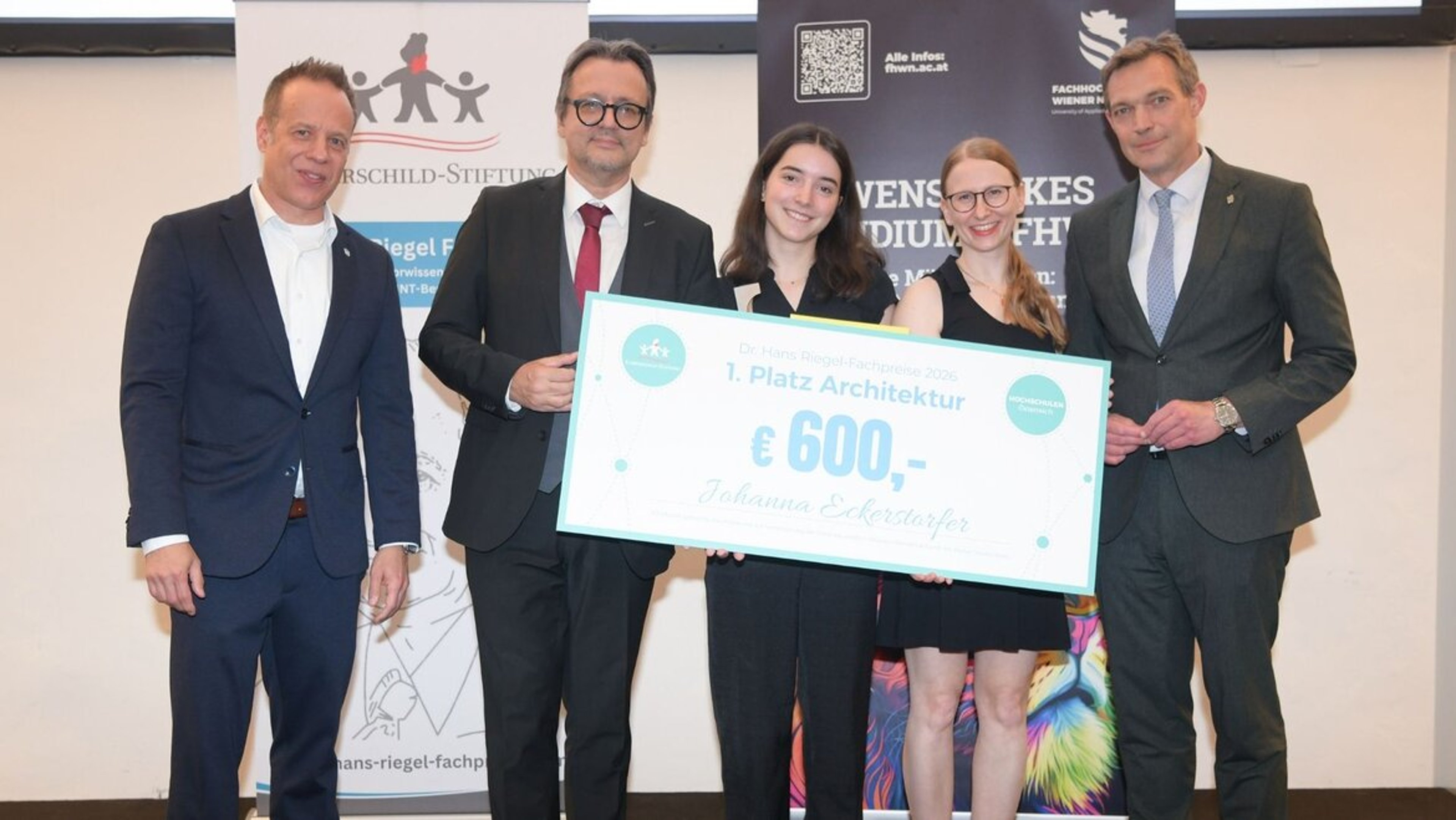
Seven A-level students were awarded the Dr Hans Riegel Specialised Prize for their media-based ABAs.
Image: © Tschank
 Education
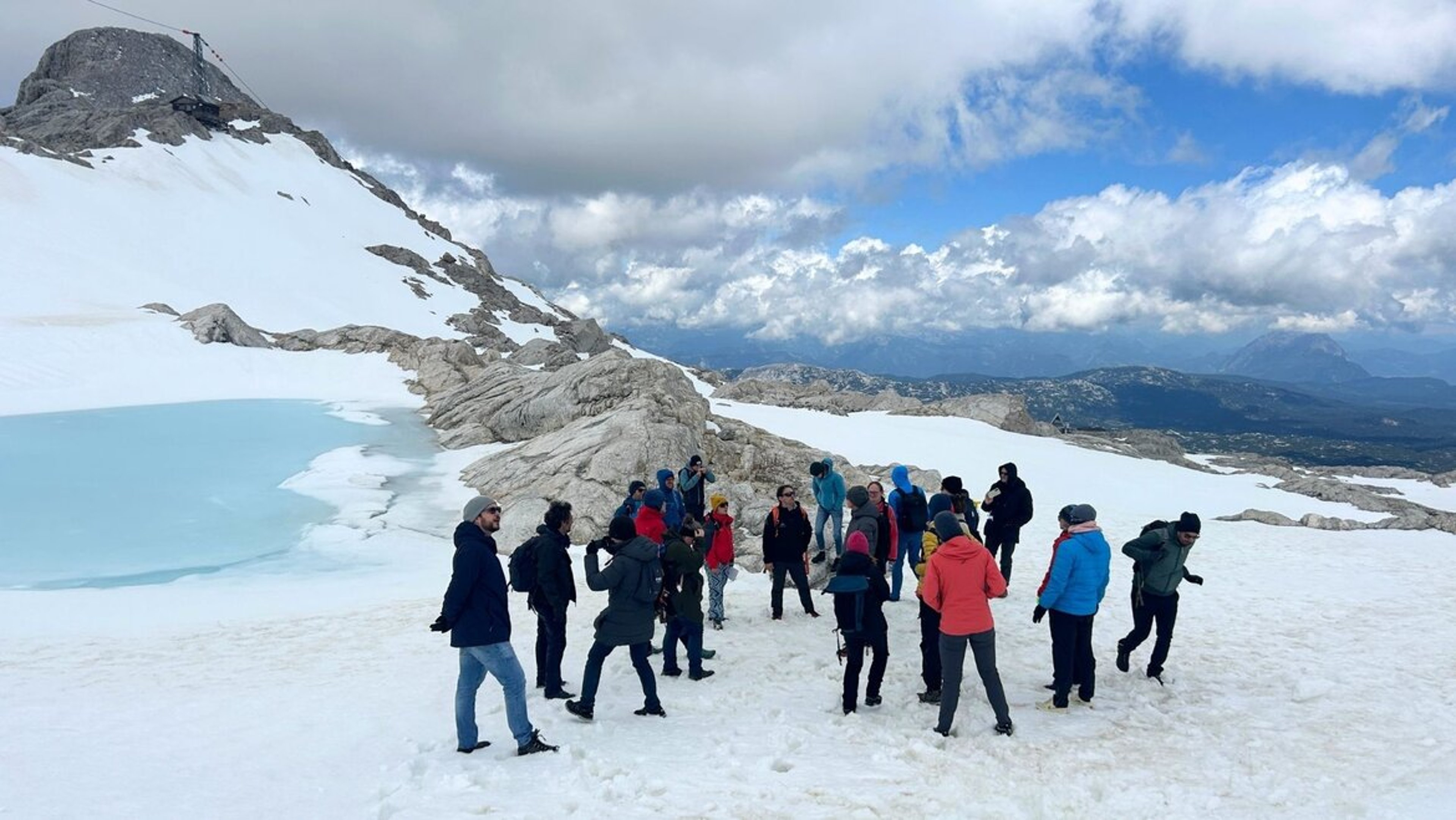
Teacher training session: ‘Bringing contemporary physics into the classroom: Glaciers’ on 15 June.
Image: © Ingrid Krumphals
 Education
On 11 June, the Dr Hans Riegel-Award ceremony took place in conjunction with the University of Linz.
Image: © SoulSpaceStudios | Tamara Zele
 Education
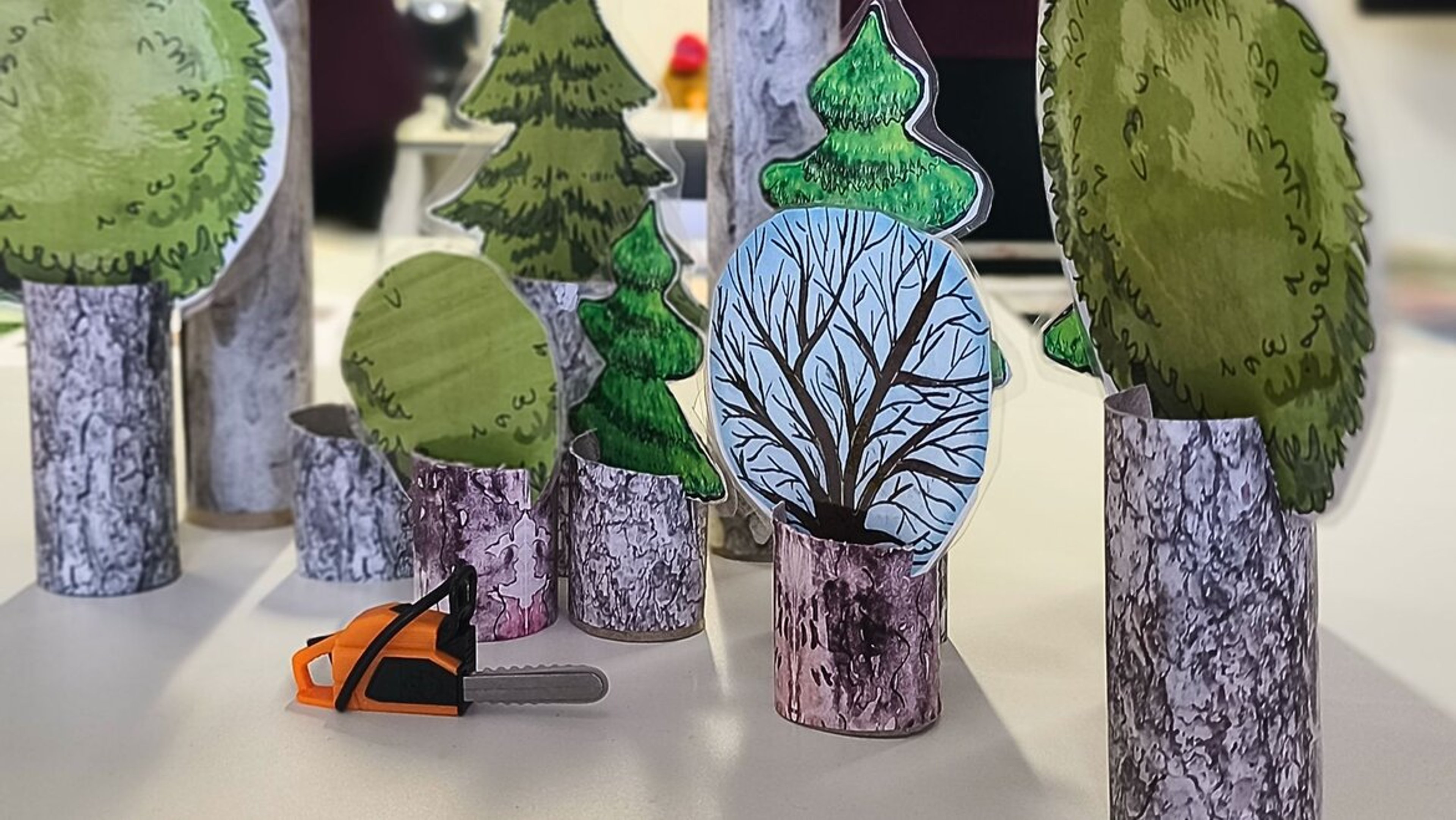
“Ba(u)mbini”: A new nursery loan box from the Kaiserschild Foundation and pro:Holz Steiermark.